How to pack a waste-free lunch without buying special containers
· Editorial team minneapolisnewsdaily24.com
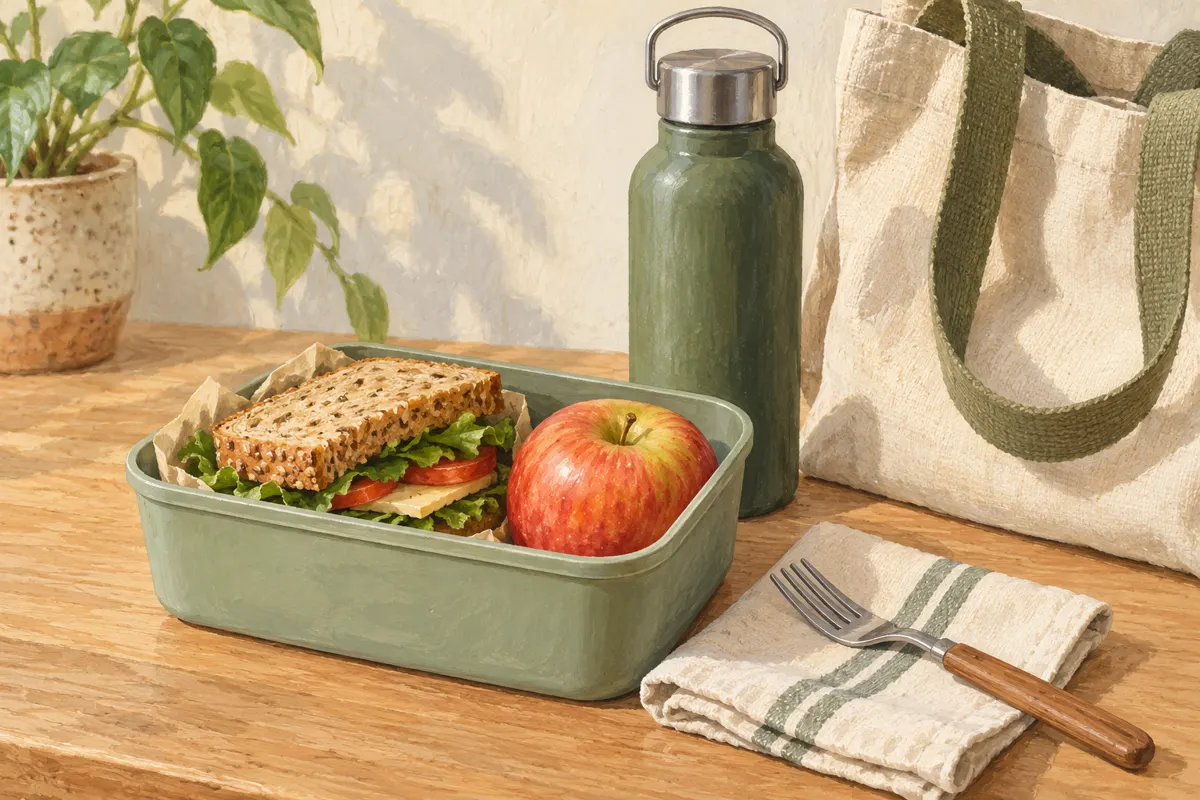
Pack a waste-free lunch by using reusable food containers you already own, adding everyday cutlery and a washable napkin, and taking only what you expect to eat. You do not need a matching lunch set or special wraps to start. Focus on replacing disposable packaging and making it easy to bring everything home.
Start with a quick look through your cupboards
Before buying anything, gather the containers you already use for food storage. London Environmental Network recommends starting with existing containers instead of replacing an entire collection. A large container can hold your main meal, while a smaller one can carry snacks or a dip. Matching shapes and colors are optional; usable containers and their lids are what matter.
- One reusable food-storage container with its matching lid.
- A smaller reusable container if you need a separate snack or condiment.
- A refillable drink bottle you already own.
- A fork or spoon from your kitchen.
- A clean cloth napkin.
- An existing reusable bag to carry everything.
Choose containers made for repeated food use. The aim is to put your existing reusable supplies to work, rather than assemble a new collection before you can pack your first lunch.
Match the food to the containers you have
Let your available containers help shape the meal. If you have one roomy box, choose a lunch that can travel together. If you have several smaller containers, use them for foods you want to keep separate. Pack dressing, dips and condiments in a small reusable container instead of taking individual packets.
- A sandwich in a reusable box, with a whole apple alongside it.
- A salad in a larger container, with dressing in a smaller one.
- A portion of dinner leftovers in one container, with fruit packed separately.
- Vegetable sticks and a dip in two small containers.
- Crackers portioned from a larger package, with another snack in a separate container.
Whole fruit can also simplify packing. Bananas and oranges have their own peel, so they do not need an individual wrapper. When practical, portion snacks from a larger package into your own container instead of packing individually wrapped servings.
Pack portions you are likely to finish
A lunch with reusable packaging can still create waste if much of the food goes uneaten. Both CVWMA and Illinois Extension recommend packing only what you expect to eat. Use your usual appetite as a starting point, then adjust based on what comes home.
- Choose a main meal and a small number of sides you actually want.
- Pack an amount similar to what you normally finish at lunchtime.
- For a child's lunch, involve them in choosing foods and discussing portions.
- Notice which foods return uneaten and whether the amount was too large.
- Adjust the next lunch instead of repeating the same unwanted extra.
For example, if a full container of carrots repeatedly comes home, the proposed adjustment is simple: pack fewer carrots or choose a different side. The goal is a satisfying meal with less food discarded, rather than an empty container at any cost.
Include the small items and plan for cold food
Disposable extras are easy to overlook. Put a kitchen fork or spoon and a cloth napkin beside the food before closing your bag. Fill your reusable bottle at home. These small additions replace disposable utensils, paper napkins and single-serving drink packaging.
Food safety still belongs in the packing routine. Illinois Extension includes a clean insulated cooler bag and ice packs in its lunch-packing guidance. Use those supplies if you already have them for food that needs to stay cold. An ordinary carrying bag serves a different purpose; reusable packaging alone does not provide cooling.
Make unpacking part of the routine
The reusable system works best when everything returns home and becomes available for the next lunch. A suggested routine is to unpack the bag when you get home, wash containers and cutlery, and put the cloth napkin in the laundry when needed.
Where composting is available, bring suitable food scraps home or use an established school or workplace collection. Start with one manageable change, such as replacing a daily sandwich bag with an existing container. Once that becomes routine, add the bottle, napkin and other reusable items.